Uncategorized

The Support Engineer’s Secret Weapon: LLMs + Kubernetes Telemetry

Support engineering has changed forever. In 2026, the difference between minutes vs hours of downtime is no longer access to dashboards –it’s the ability to reason across logs, metrics, traces, and events instantly. That’s where LLMs combined with Kubernetes telemetry become a game-changer. Why Traditional Support Breaks at Scale Modern Kubernetes environments generate: Millions of […]

The Support Engineer’s Secret Weapon: LLMs + Kubernetes Telemetry Read More »
Chaos Engineering in Production: From Experiment to Continuous Practice

Chaos Engineering has matured. It’s no longer about running a few failure experiments once a quarter and calling it “resilience testing.”In 2026, chaos engineering in production is about continuous validation of reliability guarantees. Modern systems demand it.   Why Chaos Engineering Must Move Into Production Pre-production environments no longer reflect reality: Traffic patterns are different

Chaos Engineering in Production: From Experiment to Continuous Practice Read More »

Why to use KubeHA’s OTaaS (OpenTelemetry as a Service) for log monitoring?

https://www.youtube.com/watch?v=-XmbS8xALXU Why to use KubeHA’s OTaaS (OpenTelemetry as a Service) for log monitoring?1. Single click start2. For faster troubleshooting at scale3. Horizontally scalable, highly available, multi-tenant log aggregation system4. Collects logs from any sources, any format5. Loki pre-integratedwww.kubeha.comhashtag#DevOps hashtag#sre hashtag#monitoring hashtag#observability hashtag#remediation hashtag#Automation hashtag#kubeha hashtag#IncidentResponse hashtag#AlertRecovery hashtag#prometheus hashtag#opentelemetry hashtag#grafana, hashtag#loki hashtag#tempo hashtag#trivy hashtag#slack hashtag#Efficiency hashtag#ITOps

Why to use KubeHA’s OTaaS (OpenTelemetry as a Service) for log monitoring? Read More »

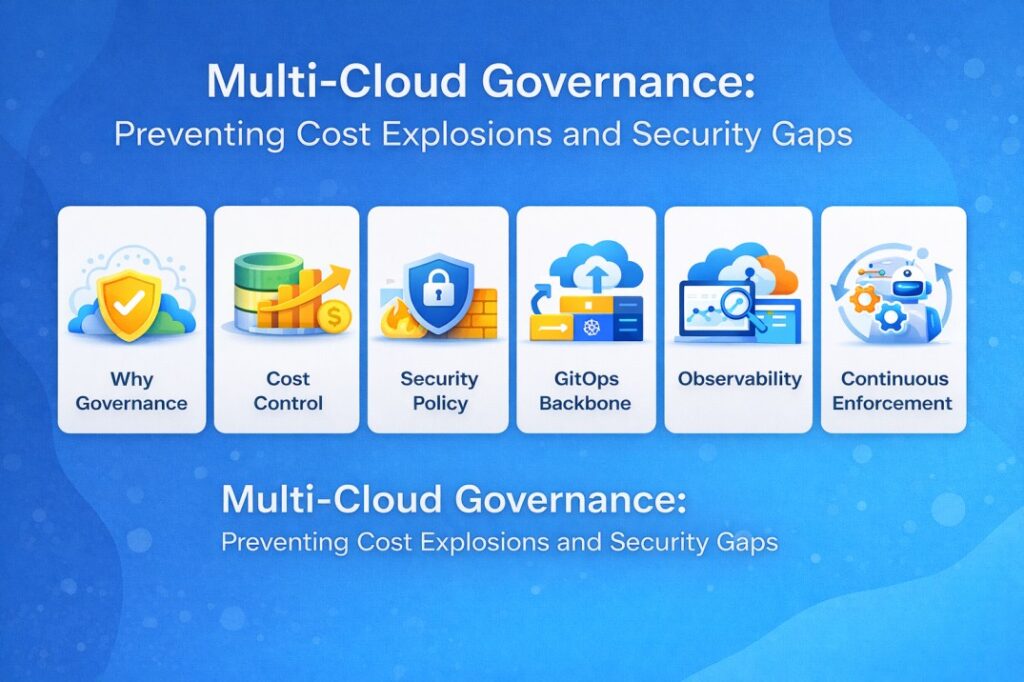
Multi-Cloud Governance: Preventing Cost Explosions and Security Gaps

Multi-cloud promises flexibility and vendor independence – but without governance, it quickly turns into uncontrolled cost growth and security blind spots. In 2025, most production outages and cloud bill shocks don’t come from outages – they come from governance failure. Here’s how modern SRE and Platform teams tackle it. 1. Why Multi-Cloud Breaks Without Governance

Multi-Cloud Governance: Preventing Cost Explosions and Security Gaps Read More »

KubeHA provides OaaS (OpenTelemetry as a Service)

https://youtu.be/Y7NxqWG234s Want OaaS (OpenTelemetry as a Service) ? Want to get rid of OpenTelemetry, Loki, Tempo and Prometheus server’s complex configurations and maintenance! Try KubeHA magic, a single click integration! Follow  KubeHA  Experience KubeHA today: www.KubeHA.com KubeHA’s introduction,  https://www.youtube.com/watch?v=PyzTQPLGaD0  

KubeHA provides OaaS (OpenTelemetry as a Service) Read More »

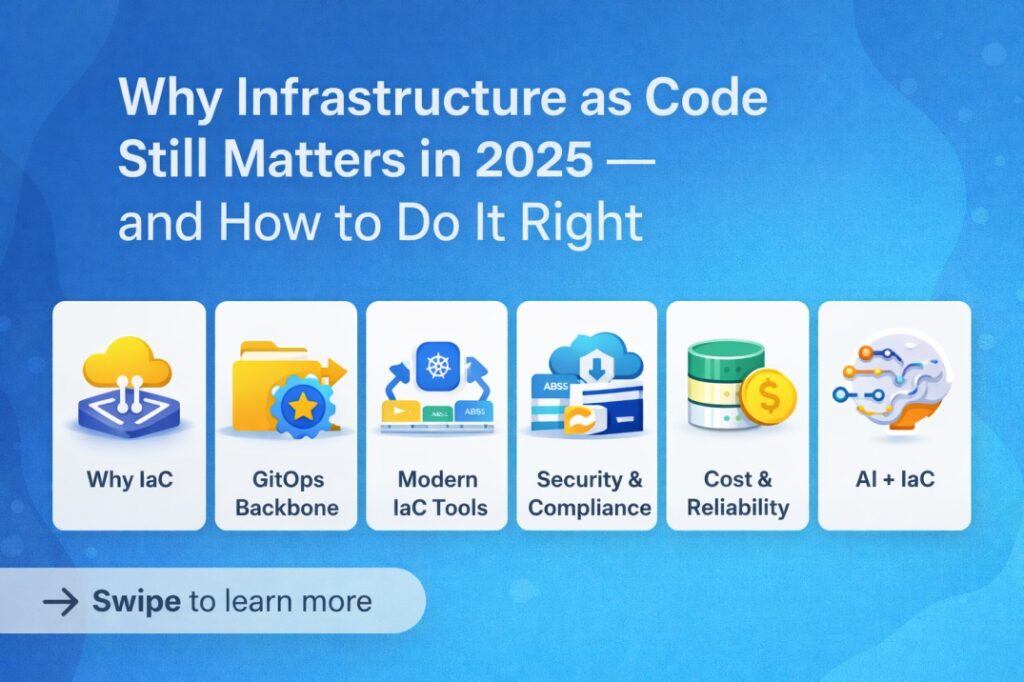
Why Infrastructure as Code Still Matters in 2025 – and How to Do It Right

With AI, GitOps, and platform engineering everywhere, some people ask: “Do we still need Infrastructure as Code?” The answer in 2025 is simple:Infrastructure as Code (IaC) is no longer optional – it’s foundational. 1. The Problem IaC Still Solves Modern infrastructure is: Ephemeral (clusters, nodes, pods come and go) Multi-cloud (AWS, Azure, GCP, on-prem) Security-sensitive

Why Infrastructure as Code Still Matters in 2025 – and How to Do It Right Read More »

Backup & Disaster Recovery in Kubernetes: Beyond Snapshots and Scripts

Backup & Disaster Recovery in Kubernetes: Beyond Snapshots and Scripts For many teams, Kubernetes backup still means: 👉 Take snapshots 👉 Store them somewhere 👉 Hope restores work In 2025, that approach is dangerously incomplete. Modern Kubernetes DR must handle state, configuration, identity, traffic, and time – not just disks. 1️⃣ Why Snapshots Alone Are

Backup & Disaster Recovery in Kubernetes: Beyond Snapshots and Scripts Read More »

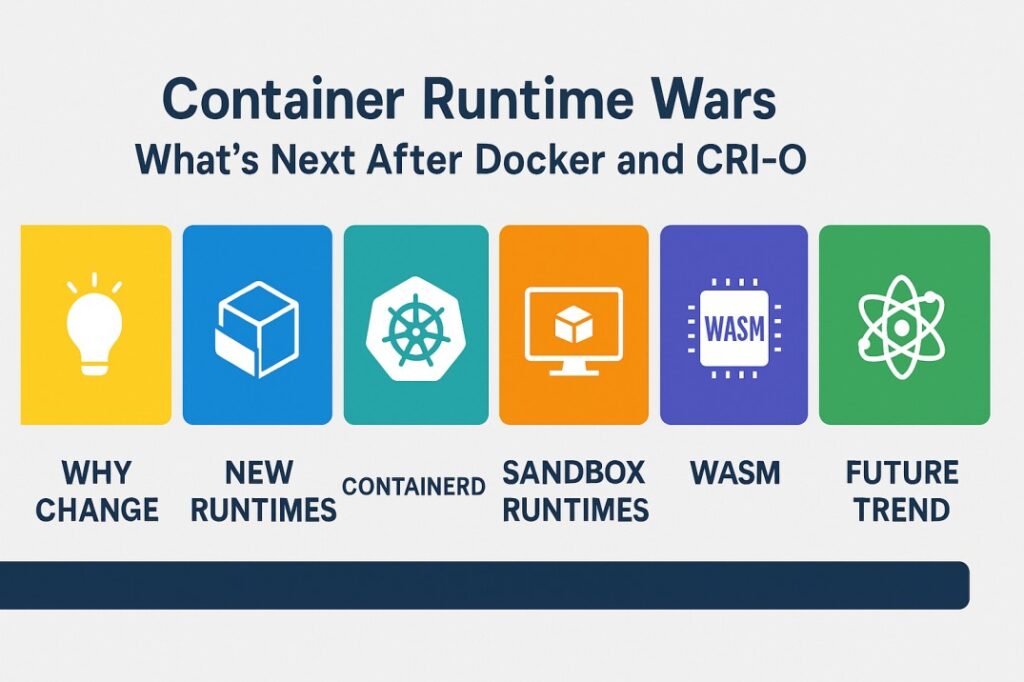
Container Runtime Wars: What’s Next After Docker and CRI-O?

The container runtime landscape is shifting fast.Docker and CRI-O dominated the last decade – but 2025 marks a turning point. SREs, Platform Engineers, and Kubernetes Operators are asking: What comes after Docker? After CRI-O? What will power the next-generation Kubernetes clusters? Here’s what’s driving the evolution – and what’s coming. 1️⃣ Why Runtimes Are Changing

Container Runtime Wars: What’s Next After Docker and CRI-O? Read More »

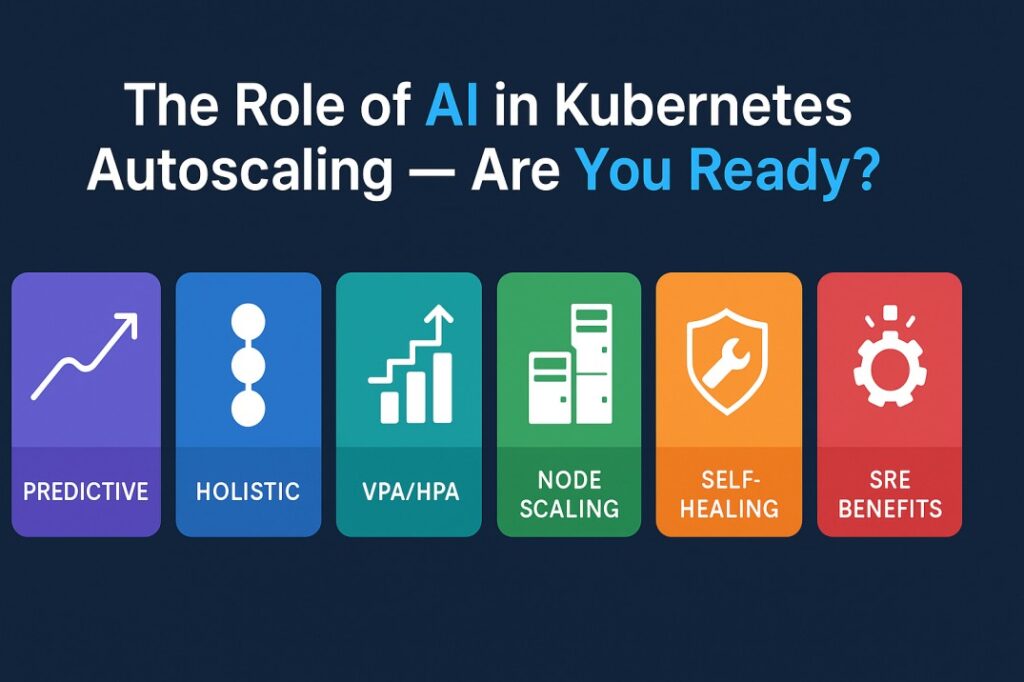
The Role of AI in Kubernetes Autoscaling – Are You Ready?

The Role of AI in Kubernetes Autoscaling – Are You Ready? Kubernetes autoscaling has come a long way – from simple CPU-based thresholds to advanced multi-metric scaling. But in 2025, one thing is clear: Static autoscaling rules can’t keep up with today’s unpredictable workloads. AI-driven autoscaling is becoming the new SRE superpower. Here’s what’s changing

The Role of AI in Kubernetes Autoscaling – Are You Ready? Read More »

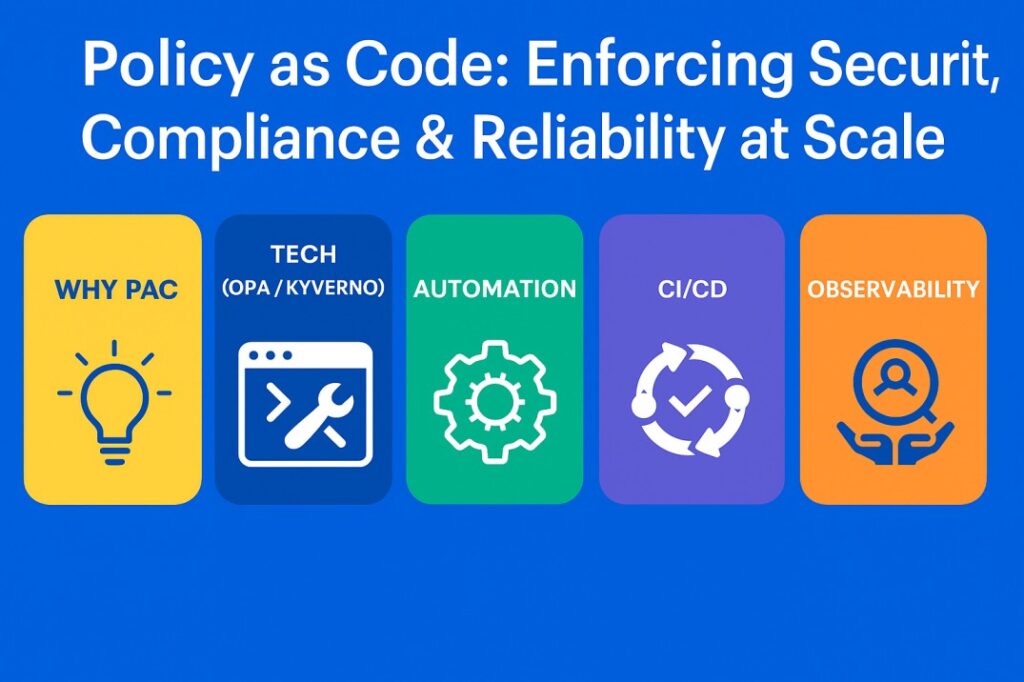
Policy as Code: Enforcing Security, Compliance & Reliability at Scale

In 2025, cluster security isn’t enforced by humans – it’s enforced by code. As Kubernetes estates grow across clouds and teams, manual policies collapse under scale. Policy as Code (PaC) turns guardrails into automated, testable, version-controlled rules. 1. Why Policy as Code? Kubernetes is dynamic – thousands of manifests updated daily. Engineers push changes faster

Policy as Code: Enforcing Security, Compliance & Reliability at Scale Read More »

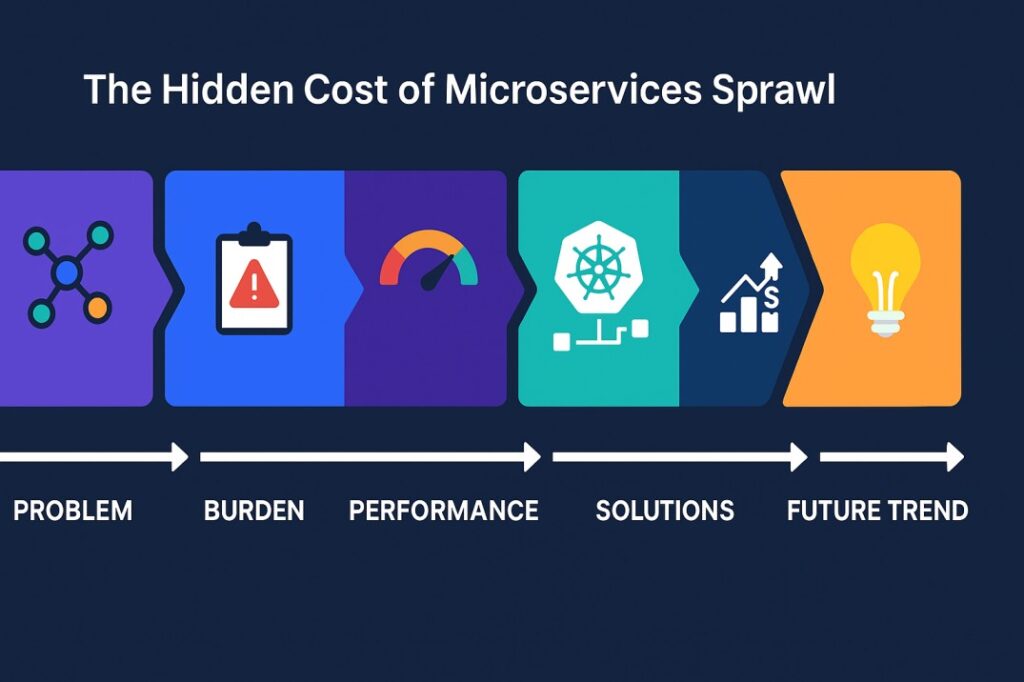
The Hidden Cost of Microservices Sprawl – When Too Many Services Hurt Performance

Microservices were meant to accelerate delivery – but unchecked sprawl slows everything down.In 2025, SREs are rediscovering a truth: more services don’t always mean better scalability. 1. The Problem: Microservice Overload Each new service adds network hops, API latency, and deployment overhead. Inter-service dependencies create tangled failure chains – one pod down can ripple across

The Hidden Cost of Microservices Sprawl – When Too Many Services Hurt Performance Read More »

Scroll to Top